Last updated: May 2026.
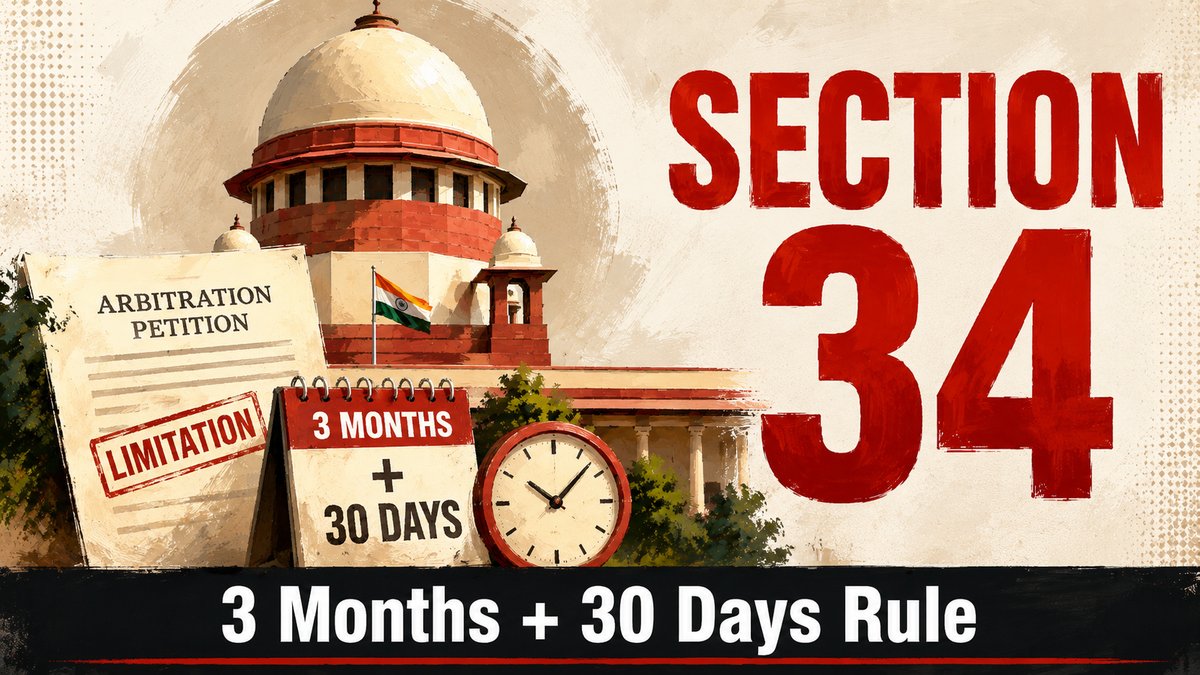
Section 34 proceedings are not a full rehearing of the dispute. The focus is usually on the award, arbitration agreement, procedural record, tribunal conduct, notice, jurisdiction, evidence treatment and recognized grounds for setting aside.
Before any assessment, preserve the complete award record and prepare exact dates for receipt of signed award, correction requests if any, limitation period, enforcement notices and any interim or execution steps.
The award should be read with the pleadings, issues, evidence, procedural orders and final submissions. A party may disagree with the result, but a Section 34 challenge must be connected to legally recognized grounds rather than a general appeal on facts.
Award And Contract Record
- Signed arbitral award and date of receipt.
- Arbitration agreement or clause.
- Main contract and amendments.
- Appointment and tribunal constitution papers.
Arbitration Proceedings
- Statement of claim and defence.
- Applications, replies and orders.
- Evidence affidavits and documents.
- Hearing notices, minutes and procedural orders.
Post-Award Record
- Correction or interpretation applications, if any.
- Enforcement notice or execution papers.
- Payment or settlement communications.
- Date-wise chronology of award receipt and next steps.
Potential award-challenge issues may involve jurisdiction, notice, inability to present case, excess of mandate, composition of tribunal, public policy, patent illegality in applicable cases, or procedural unfairness. Each issue must be tested against the arbitration record.
The limitation position is critical. Do not wait to collect the award, service proof and chronology. If enforcement or execution has started, preserve all notices and case papers.
It is also useful to identify what happened during the arbitration itself: whether objections were raised on time, whether evidence was refused, whether the tribunal decided issues outside the contract, whether reasons were given, and whether any party participated under protest.
Limitation in award-challenge matters should be checked immediately from the date of receipt of the signed award and any correction or interpretation proceedings, if applicable. Delay can sharply affect available options.
If the other side has already started enforcement, collect execution filings, notices, attachment papers and any court orders. Challenge strategy and enforcement response may need to be coordinated carefully.
A useful first enquiry may include contract date, arbitration clause, award date, date of receipt, tribunal details, amount awarded, main grounds of concern, enforcement status and whether any Section 34 or execution matter is already pending.
Attach or list the award, arbitration clause, pleadings, key procedural orders, final written submissions, evidence index, proof of award receipt and any enforcement papers. If files are large, start with an index rather than forwarding everything at once.
Related resources: arbitration practice page, arbitration lawyer in Bihar, arbitration notice before claim, arbitration clause checklist, and the case enquiry guide.
This article is for general legal information and enquiry preparation. It is not legal advice, does not create an advocate-client relationship, and does not guarantee any outcome. Award-challenge strategy depends on facts, record, limitation, jurisdiction and formal consultation.
References / Sources
- Relevant Arbitration and Conciliation Act, 1996 provisions, award record, limitation calculation, tribunal papers and court filing documents should be checked with the case file.
- This article is a general informational note and should be read with the actual documents, dates, forum rules and limitation position.